
About
About Us
Our long-standing specialization in marine turbocharger repairs allows us to offer comprehensive, high-quality technical turbocharger support in Greece.
Turbochargers are vital to the performance of any vessel’s engine. At Z-Mechanics, we continuously track the latest technologies and techniques in the field, making us a highly reliable partner. The turbocharging process allows a larger amount of fuel to mix with a larger amount of air within a specific combustion chamber, releasing more energy and generating higher power output.
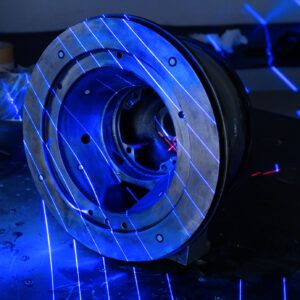
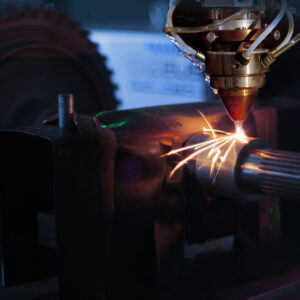
The growing demand for high-efficiency diesel engines has created a vital need for the premium services we provide through the continuous training of our technicians and investments in modern technology—always with absolute respect for the environment. Advanced techniques, such as laser cladding, can make a malfunctioning turbocharger perform like new in the most cost-effective manner.
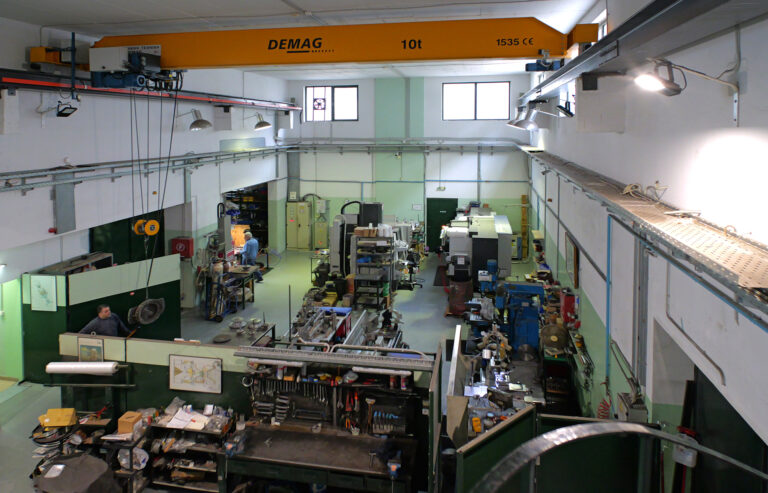
Production Process
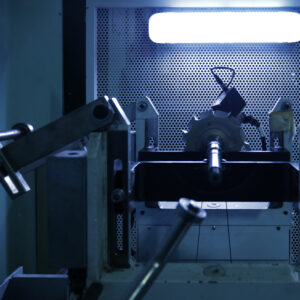
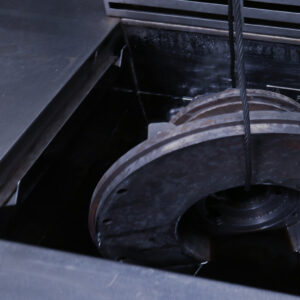
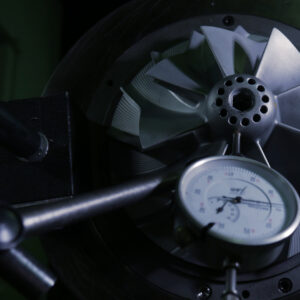
Our production process includes the following steps:

Why Choose Us
Reliability at a Low Cost
A spare part or repair must guarantee:
A) Safe operation
B) Stable performance
C) Avoidance of premature failure
D) Protection of adjacent components
Example in Turbochargers:
Unbalanced rotor → vibration → bearing damage → turbo failure.
Therefore, a repair must be technically flawless and reliable.
Compliance with OEM Specifications
Compliance with OEM Specifications
Every component must strictly adhere to the manufacturer’s specifications and engineering standards regarding:
Tolerances – Geometry – Materials – Balance Tolerances
Manufacturer's specifications
Mechanical standards
Examples:
• Turbocharger rotor tolerances
• Rotor balancing limits
• Material composition
Traceability and Documentation
Every repair must be thoroughly documented. Without the following, a repair is considered unreliable:
A) Inspection report
B) Measurement data
- C) Balancing report
- D) Repair documentation
Lead Time
Delay = Loss of Money.
Fast repair turnaround
Readily available spare parts
The capability to repair instead of replacing are critical factors
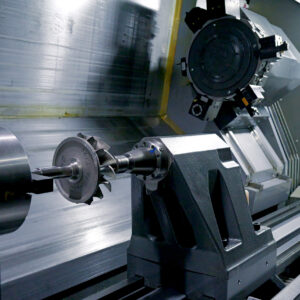
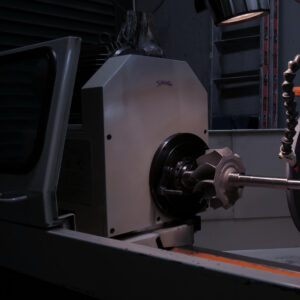
Technologies like laser cladding, machining, and dynamic balancing directly facilitate this.
Life Cycle Cost
The total cost of ownership for the proprietor involves:
• Repair cost
• Service life expectancy
• Probability of failure
• Risk of operational delays
Energy Footprint & Sustainability
Modern shipping and industry take the energy footprint of spare parts seriously.
Manufacturing a new part requires:
• Large amounts of energy
• Heavy consumption of raw materials
• Extensive transportation and logistics
Conversely, repairing and reconditioning a component:
• Requires significantly less energy
• Reduces raw material consumption
• Lowers the overall environmental footprint
For these reasons, high-quality repair stands as a sustainable technical solution.