Advanced Laser Cladding Services for Turbochargers, Critical Rotating Equipment, and Industrial Components
Z-MECHANICS
Restoring High-Value Components with Technical Precision and Reduced Operational Costs
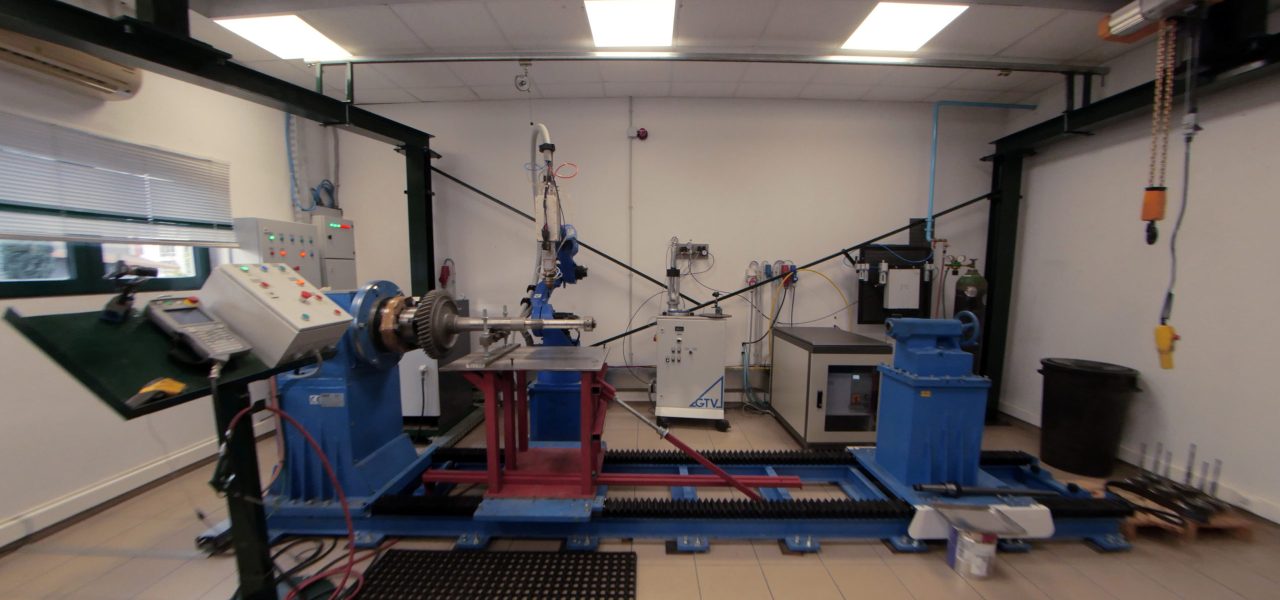
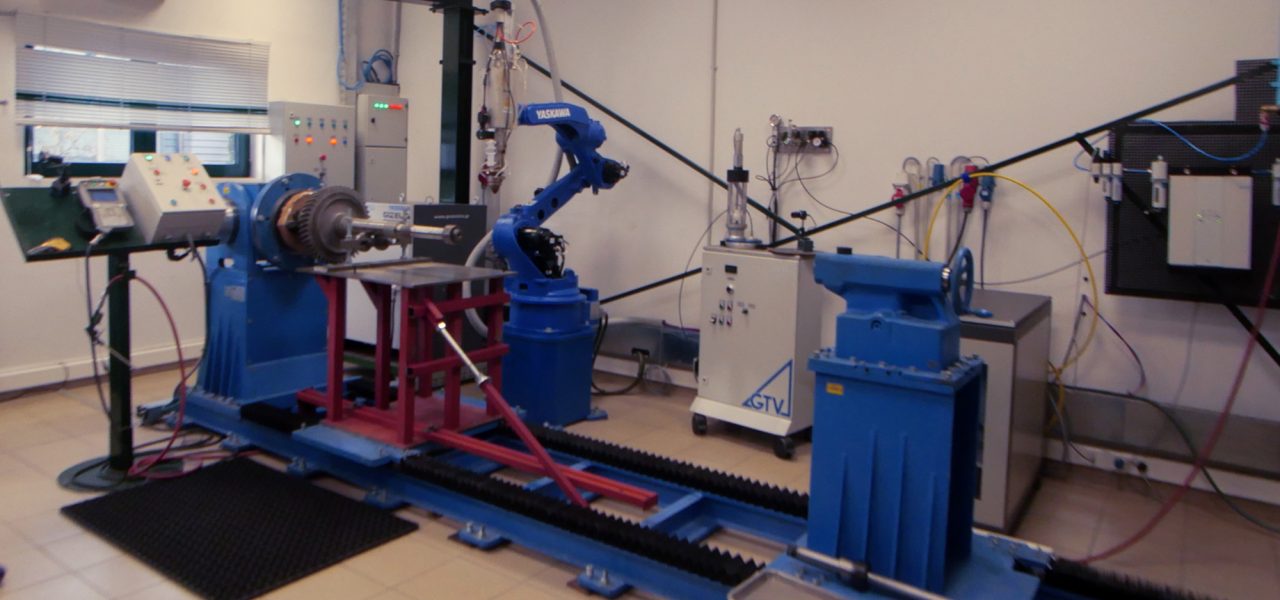
Z-MECHANICS PC provides specialized Laser Cladding services to restore worn, corroded, or damaged components in marine and industrial applications.
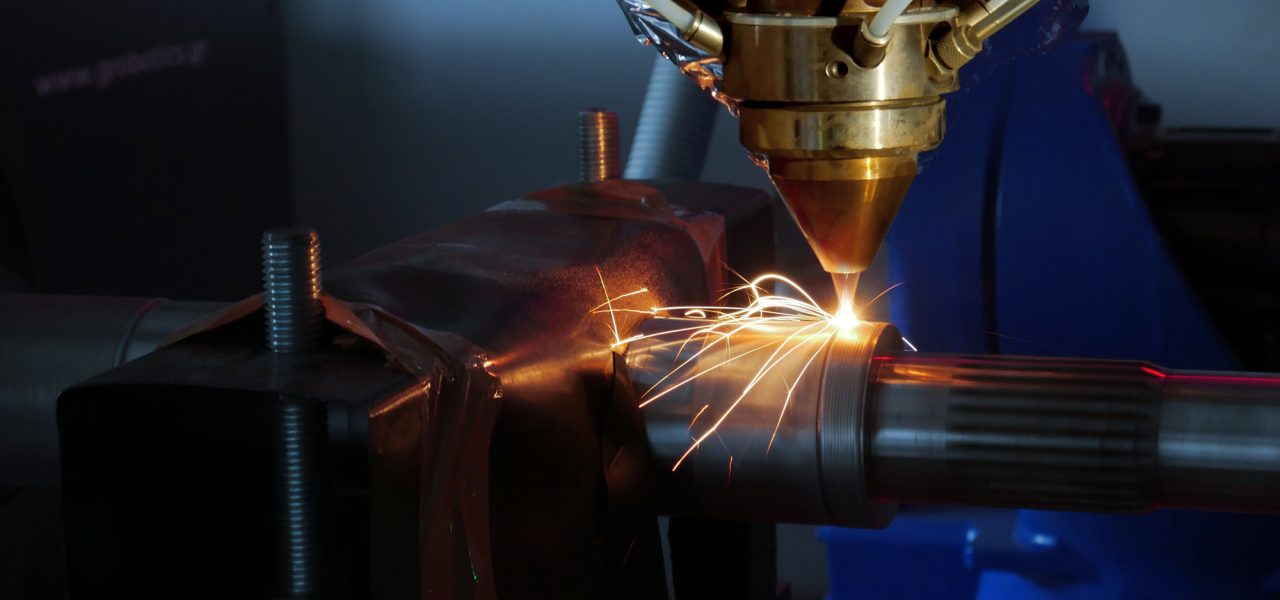
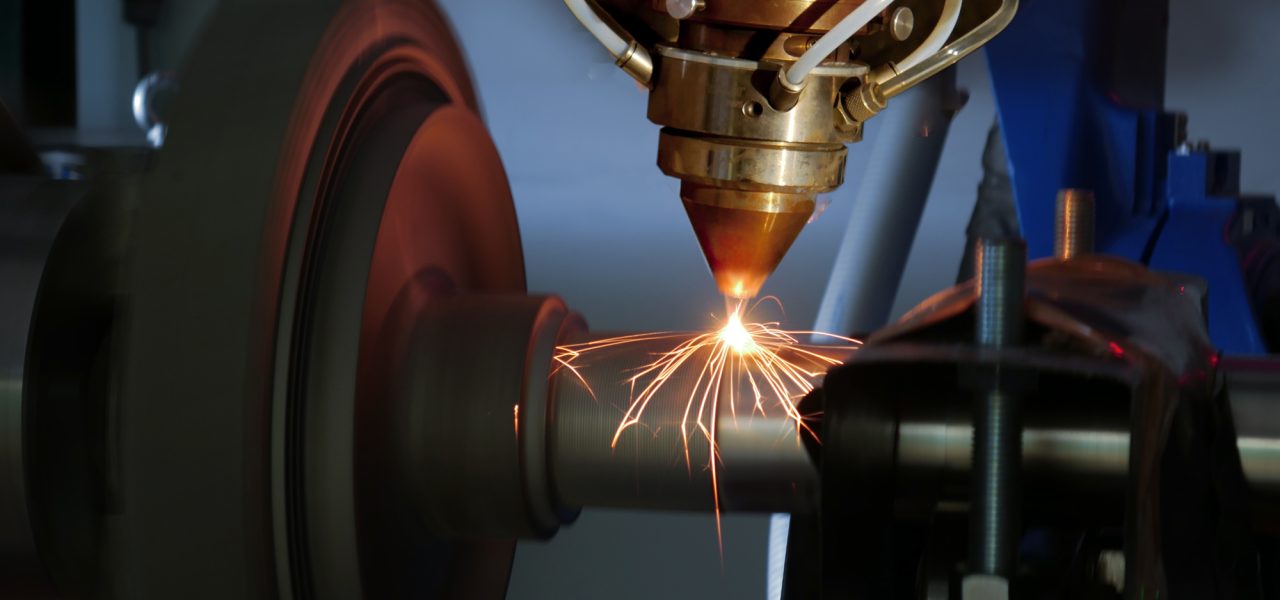
Laser Cladding is an advanced restoration method where metallic material is deposited and fused using a laser beam, creating a flawless, high-strength metallurgical bond with the substrate material. This technology allows for targeted repairs with a low heat-affected zone (HAZ), minimal distortion, and superior surface quality.
Main Applications
This method is ideally applied to:
- Shafts and journals
- Turbine blades and sealing surfaces
- Turbochargers and rotating assemblies
- Crankshafts and worn bearing surfaces
- Pumps, casings, and heavy-duty industrial components
- Components suffering from localized wear, corrosion, erosion, or material loss
Technical Advantages
Laser Cladding offers:
- Ultra-strong metallurgical bond with the substrate
- Low Heat-Affected Zone (HAZ)
- Minimal component distortion/warping
- High resistance to wear and corrosion
- Capability for controlled, localized restoration
- Extended lifecycle for critical parts
Operational Benefits
The use of Laser Cladding contributes to:
- Reduced downtime
- Lower replacement costs
- Elimination of long lead times for new spare parts
- Keeping high-value equipment operational
- Reduced raw material and energy consumption
- Lower overall environmental footprint
Integration into a Complete Repair Workflow
At Z-MECHANICS, Laser Cladding is seamlessly integrated into a comprehensive
- 3D scanning inspection and dimensional control
- Reverse engineering (where required)
- CNC machining and precision restoration
- Grinding of critical surfaces
- Dynamic balancing of rotating components
- Material inspection and final verification
This ensures that the restoration is not just locally successful, but fully controlled regarding the component’s geometry, functionality, and long-term reliability.